They Say They Care About the Planet. Their Actions Tell a Different Story
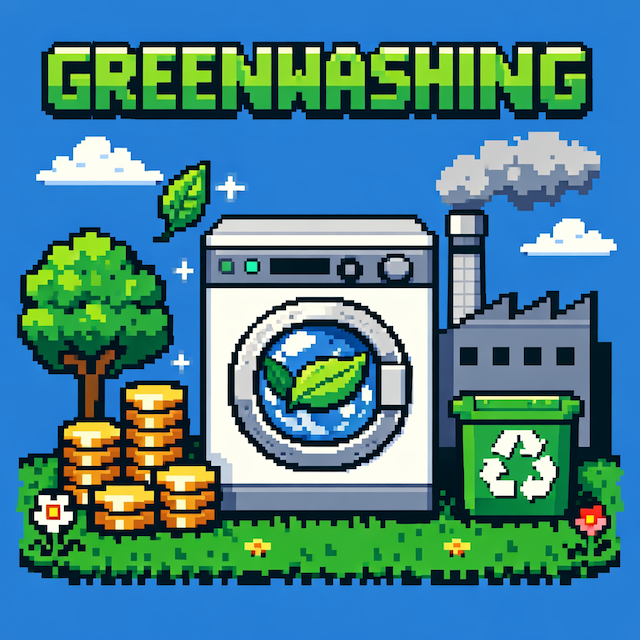
They Say They Care About the Planet. Their Actions Tell a Different Story
I’m tired of companies bragging about their eco-friendly approaches when their actions tell a completely different story.
It’s called greenwashing—the practice of making misleading claims about environmental benefits while continuing harmful practices. And once you start noticing it, you see it everywhere.
The Grocery Store Email
Every time I order from my online grocery store, I get the same message:
“We care about the environment and limit printing, so we sent your order summary to your email. Thanks for shopping with us!”
Great. They saved one piece of paper.
Meanwhile, they still haven’t figured out how to offer long-time customers the option to use reusable crates instead of forcing us to buy new paper or plastic bags for packaging every single order.
One email doesn’t offset generating bags of waste with every delivery.
The Recycled Plastic Bottle
Walk down the water aisle in any store. You’ll see bottles proudly labeled “Made from 100% recycled plastic!”
What they don’t mention: plastic can’t be recycled forever. Each time it’s recycled, the quality degrades. Most plastic can only be recycled a handful of times before it ends up in a landfill anyway.
Instead of being honest—or better yet, promoting truly sustainable options like “Refill this bottle with tap water” or “Next time, use tap water instead”—they slap a green label on it and call it a win for the planet.
It’s not. It’s greenwashing.
The Low-Fare Airline
Budget airlines love to encourage passengers to dispose of their trash when leaving the plane. They’ll remind you multiple times during the flight. They’ll thank you for helping keep the cabin clean.
Meanwhile, those same airlines sell food and drinks packaged in single-use plastic bags, bottles, and containers.
And after you’ve carefully thrown away your plastic cup? The crew collects dozens of enormous plastic bags filled with disposable items. The environmental impact is massive—they’ve just outsourced the guilt to you.
Why This Matters
Greenwashing isn’t just annoying. It’s actively harmful.
It lets companies appear environmentally responsible without making real changes. It misleads consumers who genuinely want to make sustainable choices. And it shifts the burden of environmental responsibility from corporations to individuals—while those corporations continue business as usual.
How to Spot Greenwashing
The Carbon Almanac and Good Good Good offer great guides, but here are some quick red flags:
- Vague claims like “eco-friendly” or “natural” without specifics
- Hidden trade-offs: promoting one green feature while ignoring larger environmental harms
- No proof: making claims without certifications or third-party verification
- Irrelevant claims: highlighting something that’s already legally required
- Green imagery: using nature photos and green colors to create an eco-friendly impression
What Can You Do?
Ask questions. Demand transparency. Support companies that back up their environmental claims with concrete actions and data.
And most importantly: don’t let a green label fool you into thinking the problem is solved.
Real environmental responsibility requires systemic change, not just better marketing.
Have you noticed other examples of greenwashing? I’d love to hear about them. Share your examples on Hacker News.
Sources:
Thanks for reading! If you'd like to share your thoughts send me an email.